Get Septic Tank Pumping
Septic tank pumping services help property owners prevent backups, odors, and system failures by removing accumulated waste through experienced local contractors.
Septic tank pumping is an essential service for property owners looking to maintain a properly functioning waste management system. Regular pumping helps prevent backups, odors, and costly repairs, making it a practical consideration for those managing residential or commercial properties. Whether you're preparing for a property inspection, planning routine maintenance, or addressing specific concerns, exploring local contractor options can ensure the work is handled efficiently and effectively.
For property owners in the area, comparing local service providers can provide clarity on the available options for septic tank pumping. Connecting with experienced contractors ensures that the job meets necessary standards and fits the specific needs of your property. Keep reading to learn more about how local professionals can assist with your septic maintenance projects.
- Septic Tank Pumping - needed when a septic system shows signs of backup or slow drainage.
- Septic System Maintenance - required to keep a septic tank functioning properly over time.
- Septic Tank Cleaning - necessary after detecting odors or sewage odors around the property.
- Septic Pump Replacement - needed when the existing pump fails or no longer operates efficiently.
- Septic System Inspection - recommended before property transactions or if there are signs of system issues.
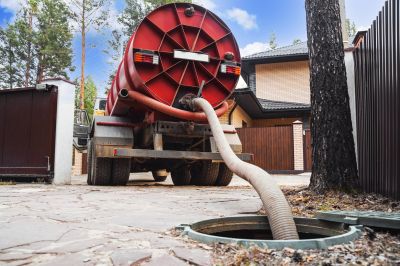
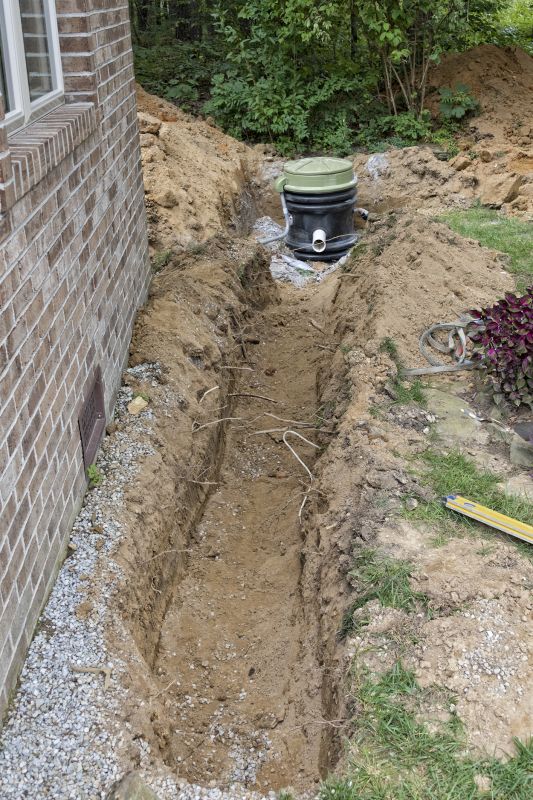
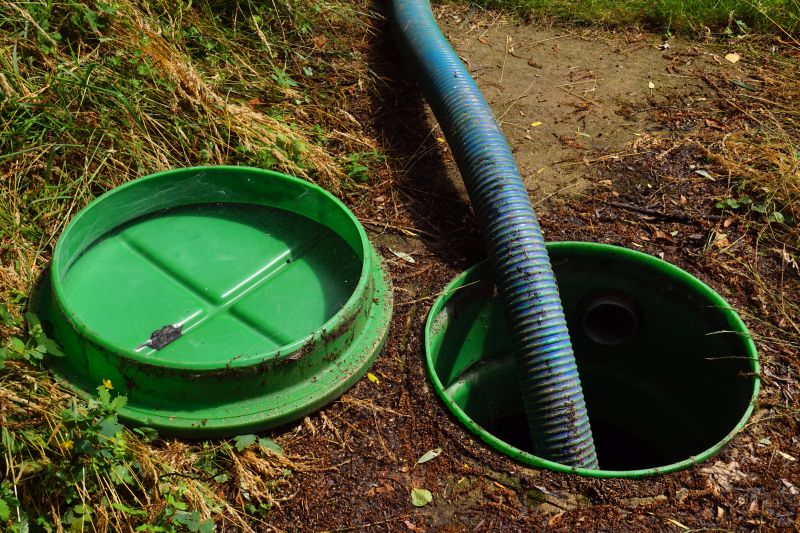
Septic tank pumping services involve the removal of accumulated solids and liquids from a home's septic tank. Over time, waste and sludge build up inside the tank, reducing its capacity and potentially causing system failure. Professional contractors use specialized equipment to safely and efficiently extract this material, helping to maintain the proper functioning of the entire septic system. Regular pumping is essential to prevent blockages, odors, and backups that can disrupt daily life and lead to costly repairs.
This service is especially helpful in resolving common septic system problems such as foul odors, slow drains, or sewage backups. When waste begins to accumulate beyond the tank’s capacity, it can cause solids to escape into the drain field or pipes, resulting in clogs and system malfunctions. Septic tank pumping helps to eliminate these issues by removing the buildup before it causes more serious damage, ensuring the system continues to operate smoothly and reducing the risk of emergency repairs.
Properties that typically require septic tank pumping include rural homes, properties with no access to municipal sewer lines, and residences with aging septic systems. Larger properties with multiple bathrooms or high water usage may also need more frequent pumping to keep the system functioning properly. Commercial properties or vacation homes that are used seasonally might also benefit from regular maintenance to prevent system failures during periods of heavy use or extended absences.
Homeowners should consider septic tank pumping when they notice signs like persistent odors, slow draining sinks or toilets, or standing water around the septic area. Scheduling regular pumping, based on the size of the tank and household usage, helps to keep the system in good working order and avoid unexpected problems. Local contractors experienced in septic services can assess the system’s condition and recommend the appropriate maintenance schedule to help keep the property’s septic system running efficiently.
The overview below groups typical Septic Tank Pumping projects into broad ranges so you can see how smaller, mid-sized, and larger jobs often compare in your area.
In many markets, a large share of routine jobs stays in the lower and middle ranges, while only a smaller percentage of projects moves into the highest bands when the work is more complex or site conditions are harder than average.
Routine Pumping - most standard septic tank pumping jobs typically range from $250 to $600. Many routine maintenance visits fall within this middle range, depending on tank size and accessibility. Fewer projects exceed $600 unless additional services are needed.
Small Repairs - minor repairs or troubleshooting usually cost between $150 and $400. These smaller projects are common and generally fall into the lower to mid-price ranges, with higher costs occurring for more complex issues.
Full System Replacement - replacing an entire septic system can range from $3,000 to $7,000 or more. Larger, more complex projects tend to reach the higher end of this spectrum, while simpler replacements may be closer to the lower range.
Additional Services - services such as tank inspection or cleaning can add $100 to $300 to the overall cost. These extras are often included in routine maintenance packages or performed separately depending on the local contractor’s pricing structure.
Actual totals will depend on details like access to the work area, the scope of the project, and the materials selected, so use these as general starting points rather than exact figures.
Septic Tank Inspection - professionals who perform detailed inspections to assess tank conditions and identify potential issues, requiring similar planning and diagnostic skills as septic pumping.
Drain Field Installation - contractors who install or repair drain fields, utilizing knowledge of underground systems and soil conditions akin to septic system servicing.
Grease Trap Cleaning - service providers who clear grease traps in commercial kitchens, involving similar pumping equipment and sanitation procedures as septic tank pumping.
Sewer Line Clearing - specialists who remove blockages from sewer lines using specialized tools, sharing skills in pipe access and waste removal with septic pumping services.
Storm Drain Maintenance - local contractors who clean and maintain storm drains, requiring similar equipment handling and planning for proper drainage systems.
Cesspool Pumping - pros who service cesspools, which are similar to septic tanks in design and require comparable pumping and maintenance techniques.
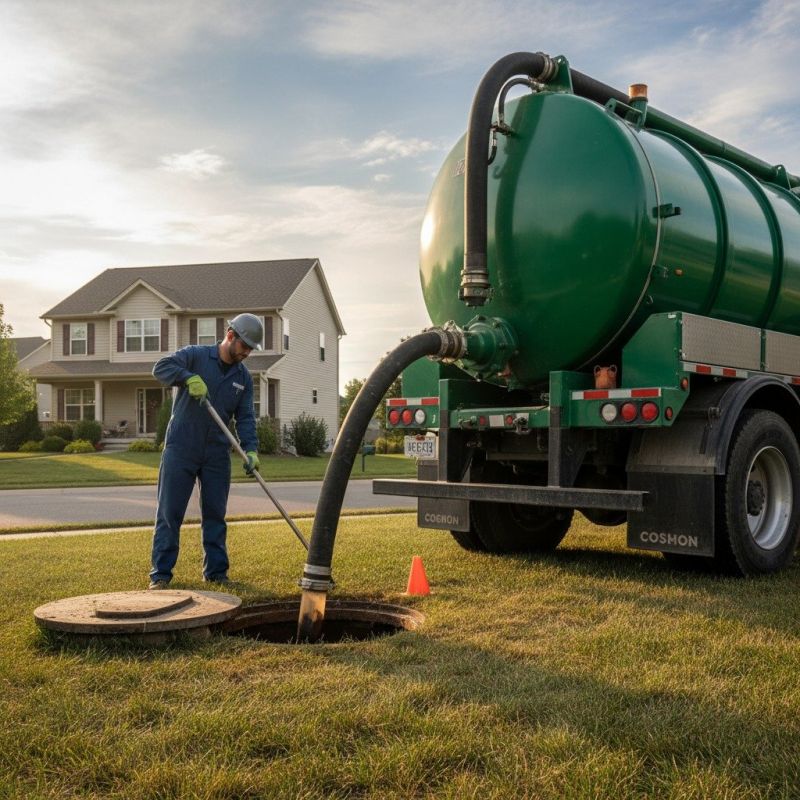
When evaluating septic tank pumping service providers, it’s important to consider their experience with similar projects. Homeowners should seek out local contractors who have a proven track record of handling septic systems comparable to their own. This experience can indicate familiarity with common challenges and best practices, helping to ensure the job is completed efficiently and effectively. Asking for details about the types of systems they’ve serviced and the complexity of past projects can provide insight into their expertise and comfort level with the specific needs of your property.
Clear, written expectations are essential for a smooth service experience. Homeowners should look for providers who can offer detailed descriptions of what the septic pumping process entails, including any preparatory steps or follow-up recommendations. Having this information in writing helps prevent misunderstandings and ensures that both parties are aligned on the scope of work. It’s also beneficial to inquire about warranties or guarantees related to the service, as these can provide added confidence in the quality of the work performed.
Reputable references and good communication are key factors when selecting a local contractor for septic tank pumping. Pros with positive references from previous clients demonstrate a history of reliable service and professionalism. Additionally, a provider who communicates clearly, responds promptly to questions, and provides transparent information can make the process more straightforward and less stressful. While the site introduces homeowners to local options, it’s important to remember that the actual work will be handled by trusted service providers who meet these criteria.
Property owners use Septic Tank Pumping services for practical projects around their homes and businesses. This guide focuses on everyday jobs and straightforward project options.
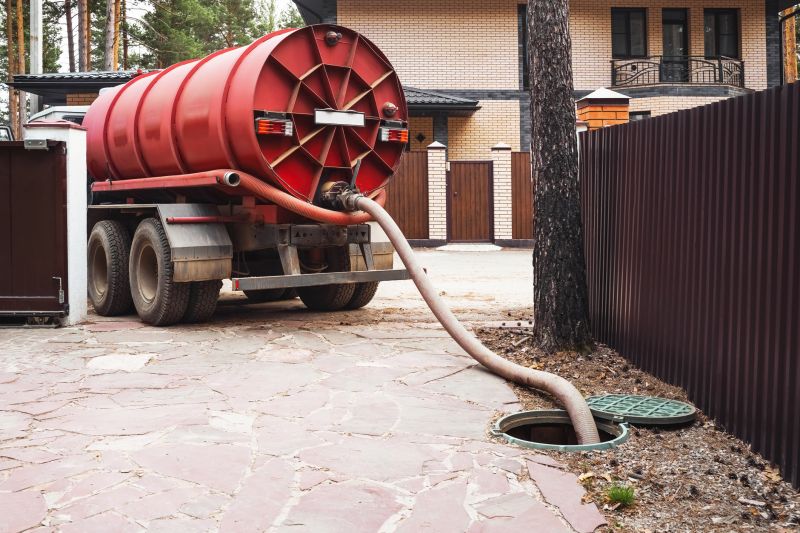
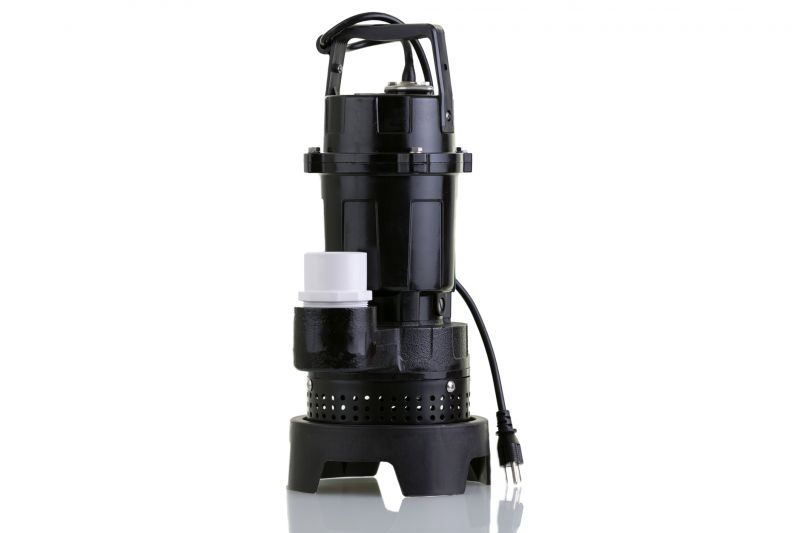
Septic tank pumping services are often needed when property owners notice signs of system trouble, such as slow drains, unpleasant odors, or standing water around the tank area. Regular pumping can help prevent backups and costly repairs, making it a common maintenance task for homes and businesses relying on septic systems. Local contractors who specialize in septic services are equipped to handle these routine jobs efficiently, ensuring systems continue to operate smoothly and avoid future issues.
In addition, property owners may seek septic tank pumping when preparing for property inspections, new property purchases, or after a certain period of neglect. Over time, sludge and debris accumulate in the tank, reducing its capacity and efficiency. Local service providers can assess the condition of the tank, perform necessary pumping, and provide guidance on maintaining the system properly. This work is essential for keeping septic systems functioning reliably and avoiding unexpected breakdowns.
What is septic tank pumping? Septic tank pumping involves removing accumulated sludge and scum from a septic system to ensure proper function and prevent backups.
How often should septic tanks be pumped? The recommended frequency varies based on tank size and usage, but generally, septic tanks should be pumped every 3 to 5 years.
Why is regular septic tank maintenance important? Regular maintenance helps prevent system failures, backups, and costly repairs by keeping the septic system functioning properly.
What signs indicate a septic tank may need pumping? Signs include slow drains, unpleasant odors, or gurgling sounds in plumbing fixtures, which can suggest the tank is full or clogged.
How can local service providers assist with septic tank pumping? Local contractors can evaluate your septic system, perform pumping services, and provide ongoing maintenance to keep the system in good condition.
Preventative Maintenance - Scheduling regular septic tank pumping helps property owners avoid costly backups and system failures.
Property Renovations - Septic tank pumping is useful during major home additions or renovations to ensure the system can handle increased usage.
System Inspections - Pumping services support routine inspections, helping identify potential issues before they develop into major problems.
Emergency Preparedness - Having a septic tank pumped can be part of emergency planning for properties experiencing unusual odors or drainage issues.
If you are thinking about Septic Tank Pumping for a property, this guide is meant to help you understand the work, the typical project types, and how different options might fit your plans.
When you are ready, you can use the quote form on this page to share a few details about your project. From there, local pros can review the basics and respond with options that match what you have in mind.