Sewage Field Installation in Denver, CO
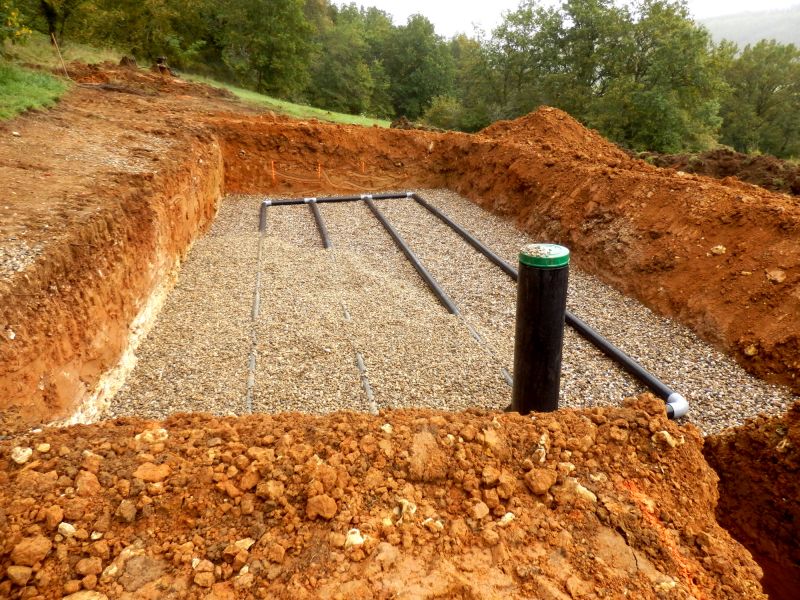
Sewage field installation services involve setting up underground systems that safely manage and dispose of wastewater from residential properties. These systems are essential for properties that are not connected to municipal sewer lines, often requiring a septic system or alternative drainage solution. Projects can include installing new sewage fields for new construction, replacing or upgrading existing systems, or expanding capacity to accommodate property improvements. Homeowners typically want to understand the size and design of the sewage field, the materials used, and how the installation process will impact their property to ensure compliance with local regulations and to meet their household needs.
Before requesting sewage field installation, property owners should consider factors such as soil conditions, property size, and future expansion plans. It’s important to evaluate the location for proper drainage, accessibility for maintenance, and proximity to wells or water sources. Understanding local codes and permitting requirements is also crucial to ensure the installation meets all legal standards. Clear communication about the scope of work, potential disruptions, and long-term maintenance can help homeowners make informed decisions and prepare appropriately for the project.
Many property owners in Denver, CO look into Sewage Field Installation for repairs, replacements, upgrades, and appearance-related improvements.
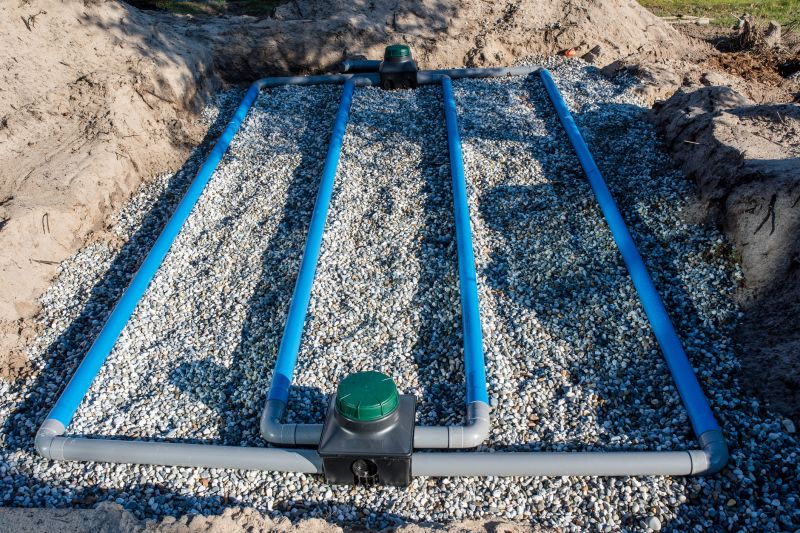
Sewage Field System Design
Proper design ensures effective waste management for residential and commercial properties in denver.
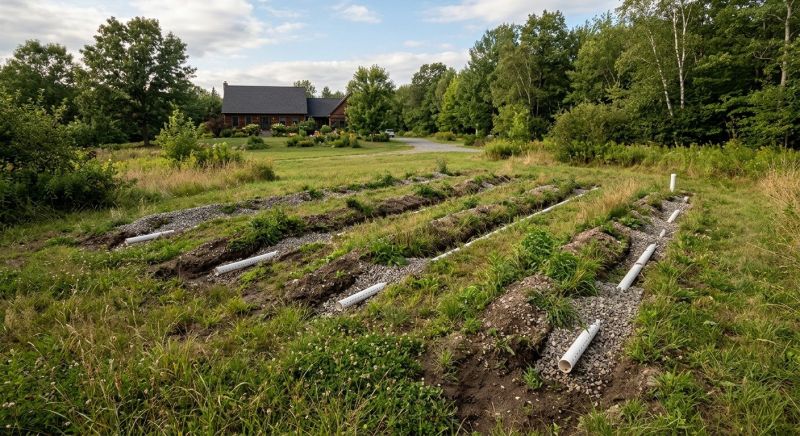
Installation And Connection
Seamless installation of sewage fields helps prevent leaks and ensures compliance with local codes.
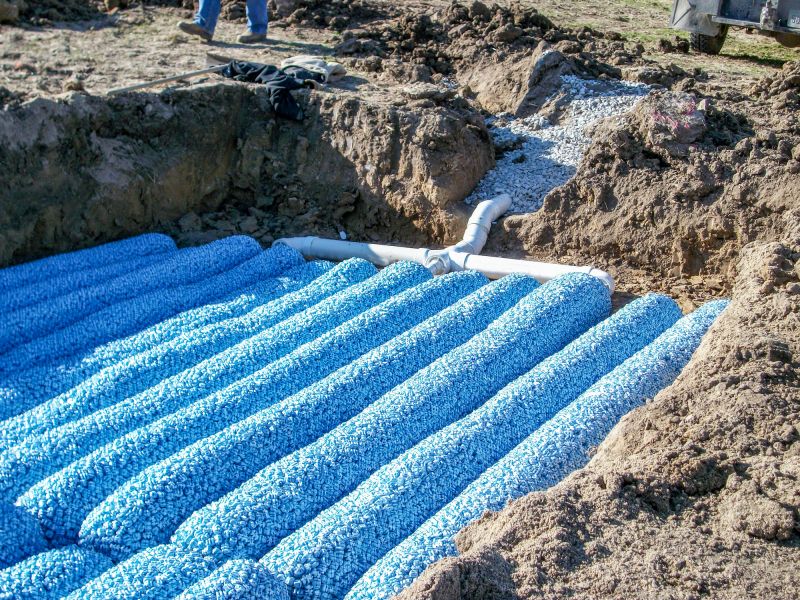
Maintenance And Repair
Regular inspection and timely repairs extend the lifespan of sewage field systems and prevent costly issues.
Sewage Field Installation in Denver, CO

Sewage field installation services involve setting up underground systems that safely manage and dispose of wastewater from residential properties. These systems are essential for properties that are not connected to municipal sewer lines, often requiring a septic system or alternative drainage solution. Projects can include installing new sewage fields for new construction, replacing or upgrading existing systems, or expanding capacity to accommodate property improvements. Homeowners typically want to understand the size and design of the sewage field, the materials used, and how the installation process will impact their property to ensure compliance with local regulations and to meet their household needs.
Before requesting sewage field installation, property owners should consider factors such as soil conditions, property size, and future expansion plans. It’s important to evaluate the location for proper drainage, accessibility for maintenance, and proximity to wells or water sources. Understanding local codes and permitting requirements is also crucial to ensure the installation meets all legal standards. Clear communication about the scope of work, potential disruptions, and long-term maintenance can help homeowners make informed decisions and prepare appropriately for the project.
Many property owners in Denver, CO look into Sewage Field Installation for repairs, replacements, upgrades, and appearance-related improvements.
Common Sewage Field Installation Jobs
Sewage Field Installation - Installing new sewage fields to ensure proper waste disposal for homes and properties.
Sewage System Expansion - Extending existing sewage systems to accommodate property upgrades or new construction.
Sewage Field Replacement - Replacing aging or failing sewage fields to restore effective wastewater management.
Sewage System Design - Planning and designing sewage fields tailored to property size and soil conditions.
Sewage Field Repairs - Repairing damaged or clogged sewage fields to prevent leaks and backups.
Sewage Field Maintenance - Performing routine inspections and maintenance to prolong system lifespan.
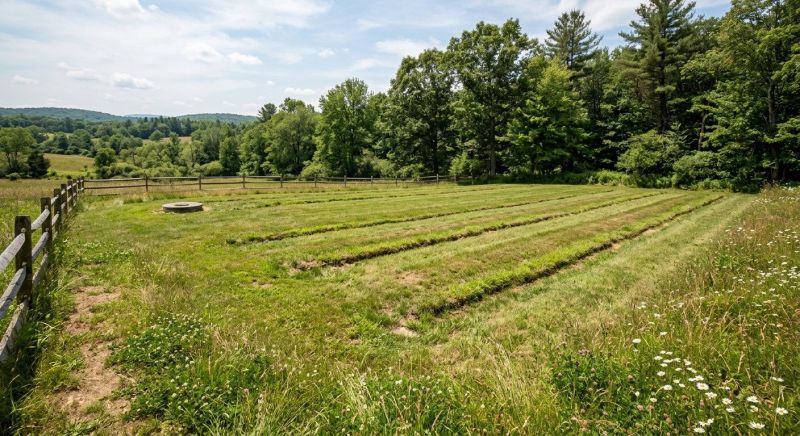
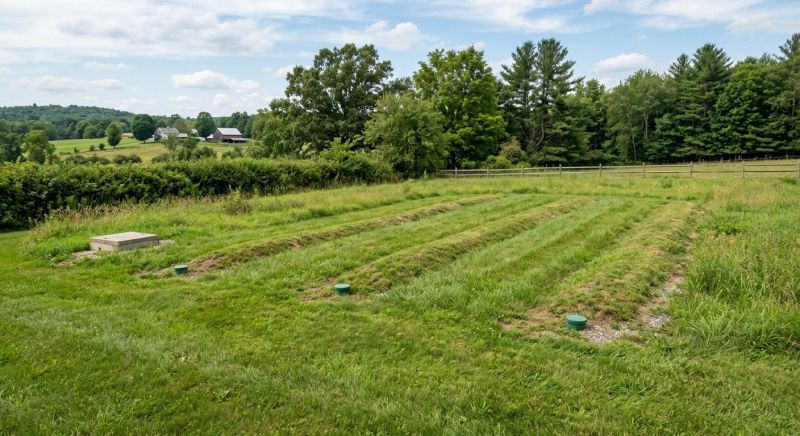
Sewage Field Installation Questions
What is sewage field installation? It involves setting up a drainage system to safely disperse wastewater from a property into the ground.
What types of properties require sewage field installation? Residential homes, commercial buildings, and properties with septic systems often need this service for proper waste management.
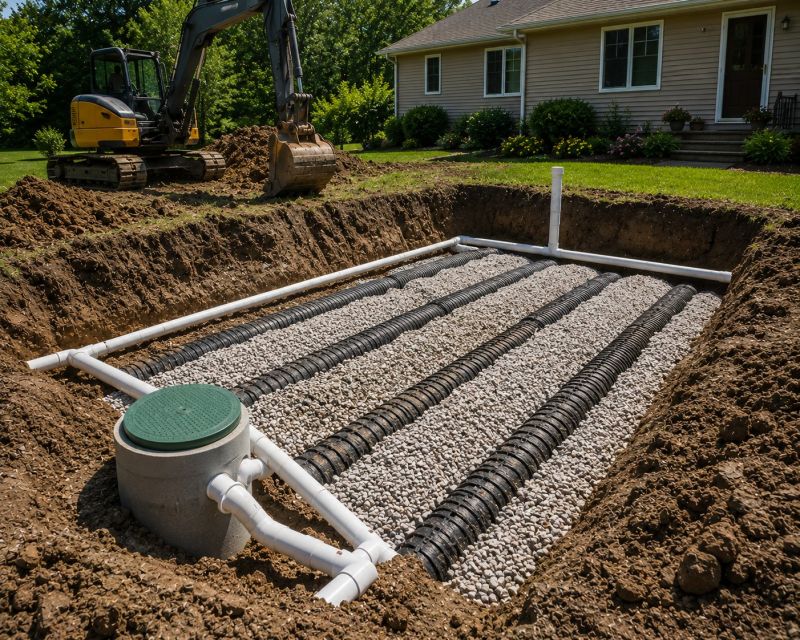
How is a sewage field installed? The process includes excavating trenches, laying pipes, and covering them with soil to allow natural filtration of wastewater.
Why is proper sewage field installation important? It helps prevent groundwater contamination and ensures efficient waste disposal for the property.
Request Sewage Field Installation in Denver, CO
Use the quote form on this page to share the basics of your project and request more information for the type of work you need.