Cesspool Installation in Denver, CO
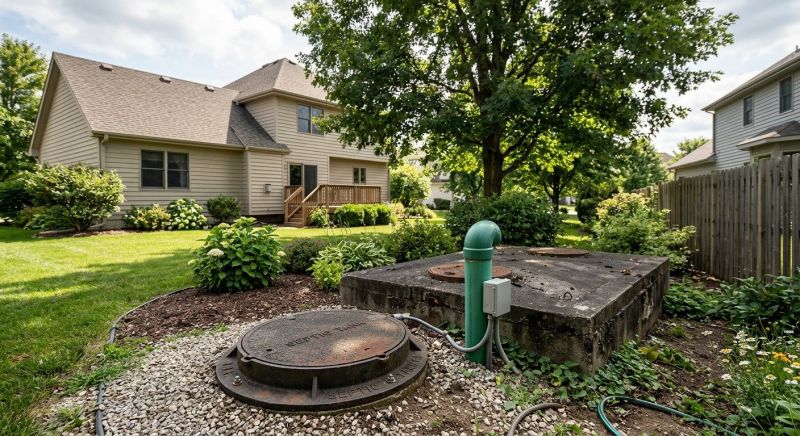
Cesspool installation services involve setting up underground septic systems designed to handle wastewater for properties that are not connected to municipal sewer lines. These systems typically consist of a large tank buried underground, where solids settle and liquids are dispersed into the surrounding soil. Property owners often request cesspool installation for new construction projects, property upgrades, or when replacing an existing system that has failed or become outdated. Understanding the size and capacity needed, the location of the installation, and local regulations can help homeowners prepare for the process and ensure the system functions properly.
Before requesting cesspool installation, property owners should consider factors such as the size of the property, anticipated water usage, and soil conditions. It’s important to evaluate whether the property’s location complies with local zoning laws and environmental regulations governing septic systems. Additionally, understanding maintenance requirements and lifespan expectations can help in planning for future needs. Proper site assessment and compliance with local codes are essential steps in ensuring a successful installation that meets the property’s wastewater management needs.
Many property owners in Denver, CO look into Cesspool Installation for repairs, replacements, upgrades, and appearance-related improvements.
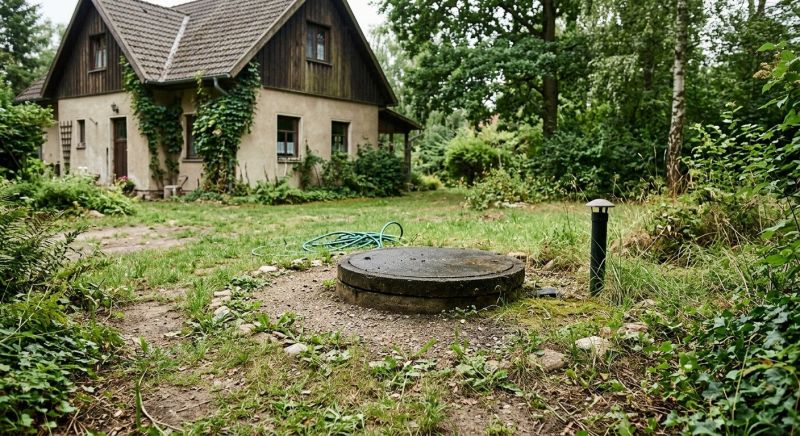
Cesspool System Installation
Proper installation ensures reliable waste management for properties without sewer access in denver and surrounding areas.
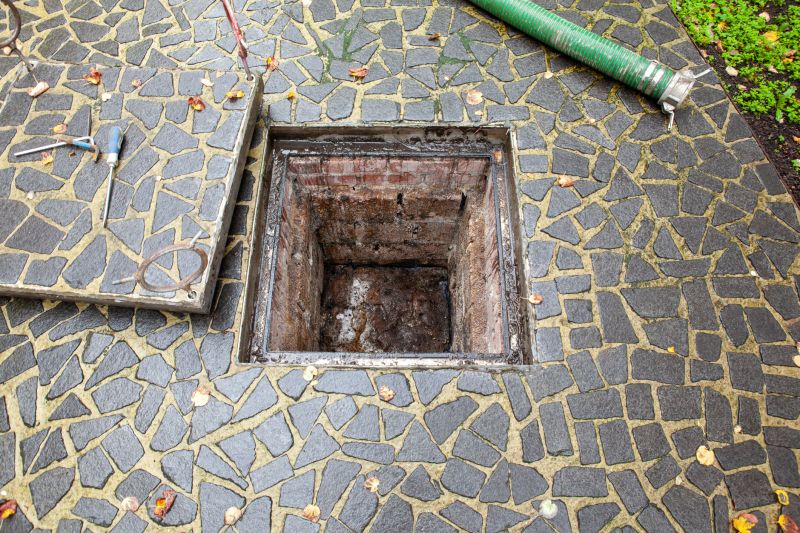
Maintenance And Inspection
Regular checks help prevent system failures and extend the lifespan of cesspools on residential and commercial properties.
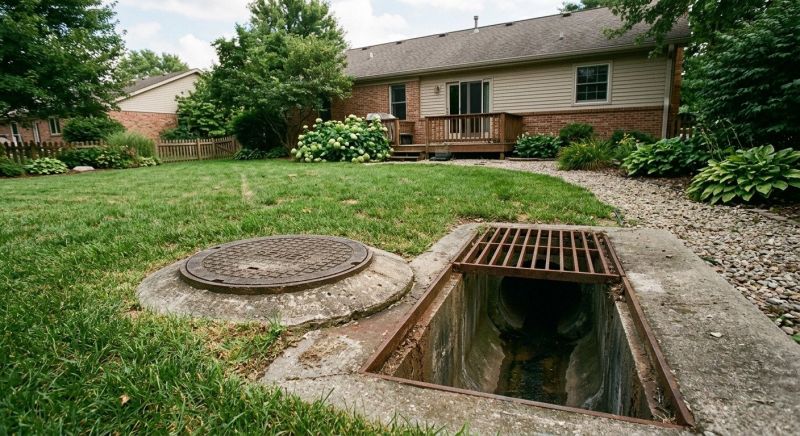
Troubleshooting And Repairs
Addressing issues promptly can minimize disruptions and maintain proper waste disposal for homes and businesses in denver.
Cesspool Installation in Denver, CO

Cesspool installation services involve setting up underground septic systems designed to handle wastewater for properties that are not connected to municipal sewer lines. These systems typically consist of a large tank buried underground, where solids settle and liquids are dispersed into the surrounding soil. Property owners often request cesspool installation for new construction projects, property upgrades, or when replacing an existing system that has failed or become outdated. Understanding the size and capacity needed, the location of the installation, and local regulations can help homeowners prepare for the process and ensure the system functions properly.
Before requesting cesspool installation, property owners should consider factors such as the size of the property, anticipated water usage, and soil conditions. It’s important to evaluate whether the property’s location complies with local zoning laws and environmental regulations governing septic systems. Additionally, understanding maintenance requirements and lifespan expectations can help in planning for future needs. Proper site assessment and compliance with local codes are essential steps in ensuring a successful installation that meets the property’s wastewater management needs.
Many property owners in Denver, CO look into Cesspool Installation for repairs, replacements, upgrades, and appearance-related improvements.
Common Cesspool Installation Jobs
Cesspool Installation - services include installing new cesspools to manage household wastewater effectively.
Septic System Setup - involves designing and installing cesspools suitable for property size and usage needs.
Drain Field Construction - includes preparing and installing drain fields to ensure proper wastewater dispersal.
Replacement Services - offers removal and replacement of aging or failing cesspools for improved system performance.
System Inspections - comprehensive assessments to determine the condition and suitability of existing cesspools.
Maintenance Planning - guidance on proper care and periodic inspections to extend cesspool lifespan.
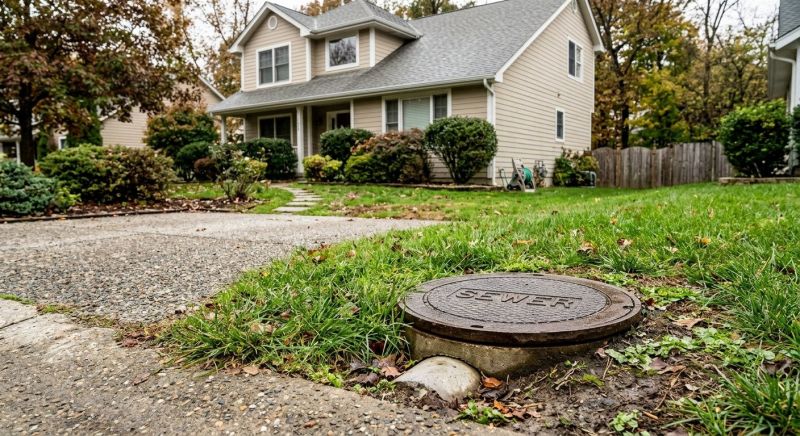
Cesspool Installation Questions
What is a cesspool? A cesspool is an underground tank that collects and stores wastewater from a property, typically used in areas without access to sewer systems.
When is cesspool installation needed? Installation is often required when a property is not connected to a municipal sewer and has a suitable location for a septic system.
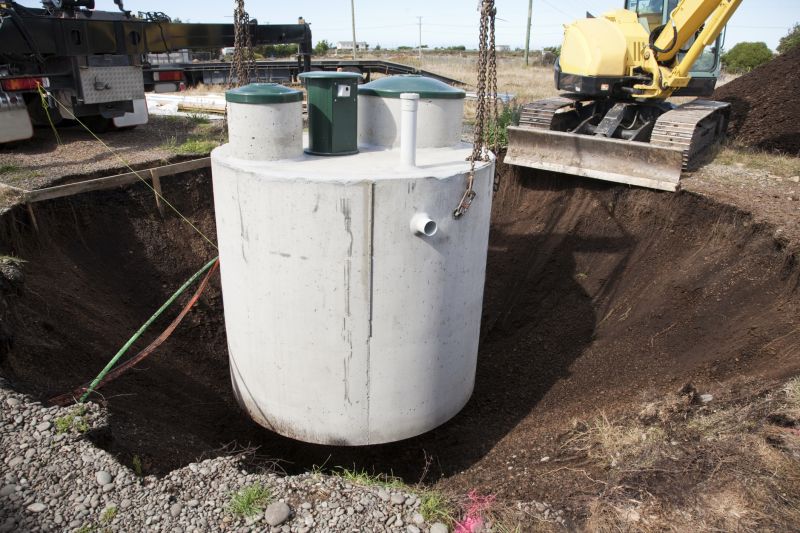
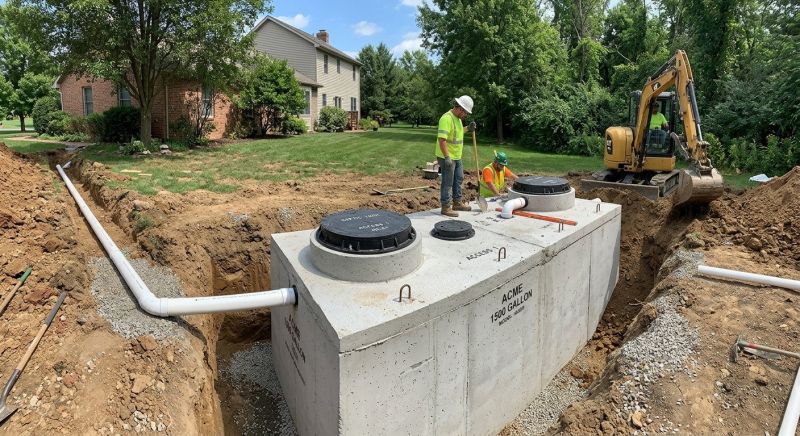
How does the installation process work? It involves excavating a site, placing the cesspool tank, and connecting it to the building’s plumbing system.
What should property owners consider before installing a cesspool? Site suitability, local regulations, and proper maintenance requirements are important factors to review before installation.
Request Cesspool Installation in Denver, CO
Use the quote form on this page to share the basics of your project and request more information for the type of work you need.